

by Morgan State U
February 02, 2026
Black History Month at 100: Remembering, Reflecting, Recommitting
Dear Morgan Family,
Morgan State University joins the nation in commemorating the centennial anniversary of the founding of Black History Month. The observance traces its origins to 1915, when scholar, historian, and author Dr. Carter G. Woodson co-founded the Association for the Study of Negro Life and History (ASNLH).
Known as the “Father of Black History Month,” Dr. Woodson was born on December 19, 1875, in New Canton, Virginia, to formerly enslaved parents. The fourth of seven children, he worked as a coal miner, and, similar to my own upbringing in segregated Alabama during the 1960s, he also worked as a sharecropper before pursuing formal education. In 1912, Dr. Woodson became the second African American, after W.E.B. Du Bois, to earn a Ph.D. from Harvard University.
More than a century ago, on September 9, 1915, Dr. Woodson joined with colleagues—George Cleveland Hall, W.B. Hartgrove, Alexander L. Jackson, and James E. Stamps—to create a new epicenter for the study, preservation, and celebration of Black life and achievement. Headquartered in Chicago, they founded the ASNLH, an organization dedicated to confronting the ignorance and exclusion that too often erased Black History from academic and public understanding. Their work became a guiding light—a North Star—for generations seeking truth, dignity and recognition.

Building on the vision, Dr. Woodson launched “Negro History Week” as a coordinated national effort to elevate the teaching of Black history. He chose the second week of February to align with the birthdays of Frederick Douglass and Abraham Lincoln, and in February 1926, the first observance took place. Over time, the organization evolved into what we now know as the Association for the Study of African American Life and History (ASALH), the nation’s oldest organization devoted to preserving and promoting Black history.
Decades later, national leaders began to more formally acknowledge the importance of this legacy. In 1975, President Gerald Ford urged Americans to recognize the vital contributions of Black citizens. The following year, during the nation’s bicentennial, he officially recognized “Black History Month” and called upon the nation to honor the long-overlooked achievements of African Americans. That same year, ASALH expanded the observance from one week to an entire month, a tradition that has continued through annual presidential proclamations ever since.
 Congress took a significant leap in 1986 with the passage of Public Law 99-244, officially designating February as “National Black History Month.” President Ronald Reagan’s proclamation later emphasized the importance of recognizing both the struggle for freedom and equal opportunity, as well as the extraordinary achievements of African Americans across all fields of endeavor.
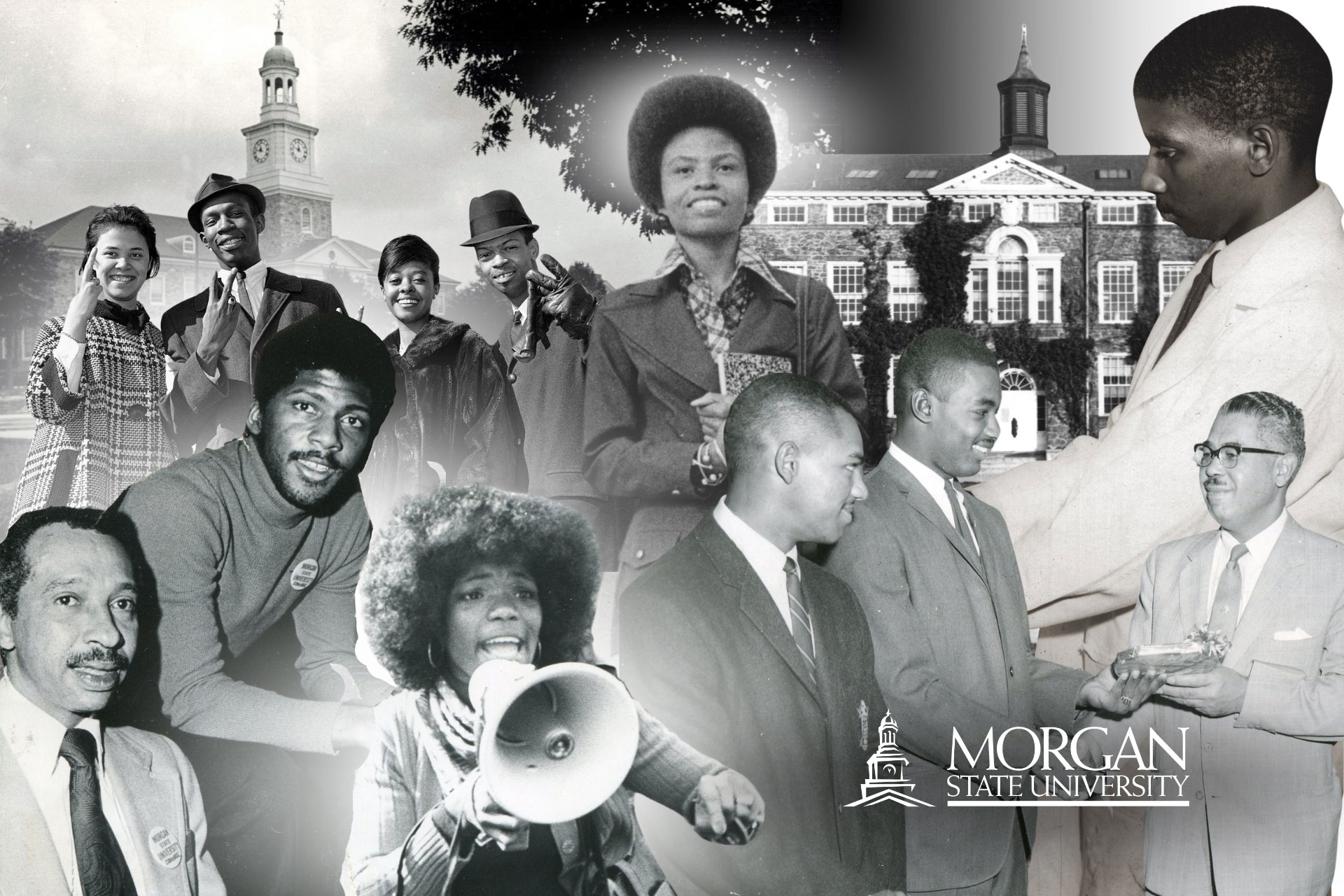
Here at Morgan, we have long understood that African American history is not a chapter to be revisited only once a year, but a foundation that informs our shared present and future. In 1989, the University made a bold declaration that African American history and culture should never be confined to a single month. During the 1989–90 academic year, Morgan established a year-long celebration, marked by monthly convocations that honor the achievements of the past while inspiring even greater accomplishments for the future.
Today, as we observe the 100th anniversary of Black History Month, we pause to honor Dr. Carter G. Woodson’s vision and the generations who fought to ensure that African American contributions are fully seen, valued and remembered. As our nation approaches its 250th anniversary, we recommit ourselves to advancing a more complete and inclusive telling of American history—one that fully embraces African American history as central to the American story. In this centennial year, ASALH invites all of us to reflect on the transformative power of Black history and its enduring impact on the world we continue to shape together.
Your President,

David K. Wilson
Contact Information
Office of Public Relations & Strategic Communications
1700 East Cold Spring Lane
McMechen Hall Rm. 635
Baltimore, Maryland 21251
Contact Information
Office of Public Relations & Strategic Communications
1700 East Cold Spring Lane
McMechen Hall Rm. 635
Baltimore, Maryland 21251